Collected Myth and stories of the Má'di
Ori and the cows' hide
Ori, the supreme being, is an all-seeing, incorporeal creator who lives in the sky but takes little interest in human affairs. Another word for the supreme being is Rabanga or Rubanga, which stands for the supernatural force responsible for reproduction: Rabanga may be a spirit, Mother Earth, fertility, or the force from which the sun, moon, and stars sprang. At some time, Ori's wife or mother fell or was expelled from the sky in a shower of rain, and when on earth multiplied her kind. For some time, contact was maintained with the sky by means of a cowhide rope, but this was bitten by a hyena and human attempts to replace it with a bamboo tower failed. In another version of this myth, Ori is the creator, without body, all present, all knowing, but not interesting himself greatly in human affairs. He lives in the sky, where also man dwelled when he was created. At some time, a man and a woman were for some offense expelled from heaven in a shower of rain (some say that they fell down accidentally), and they increased and multiplied. The gods afterward made a rope of cowhide by which communication was kept up, each side going from time to time to dance with the others, until the hyena bit through the rope. The men thereafter tried to reach the sky by building a tower of bamboo, but after they had built it very high it collapsed.
Source: http://www.answers.com/topic/ori-and-the-rope-of-cows-hide
Draft additions (Nov 2026), retold from the sources listed under each story.
How the Ma'di got their name

Several stories explain the name. One says that when the first white visitor asked a man "Who are you?", he answered "madi", which simply means "a person", and the answer stuck as the name of the people.
Another tells of a long journey south. One group stopped at a strategic place and said "Muro-Amadri", "let us settle here", and became the Moru. A hungry group went on until they found the lugba tree (desert dates) and became the Lugbara, whom the Ma'di still call Lugban. The last group reached fertile land and declared "ma di", "here I am, at last", and became the Ma'di.
Sources: 101 Last Tribes, Here in Uganda
The quarrel over the groundnuts

Oral history says the Ma'di and the Moru were once one people who travelled east from Amadi to the River Nile. There they split: a Ma'di man dug up groundnuts and ate them all himself, his Moru brother called him greedy and turned away, and the Moru went back west while the Ma'di settled along the river.
Source: Here in Uganda
Ori and the Kidori altars
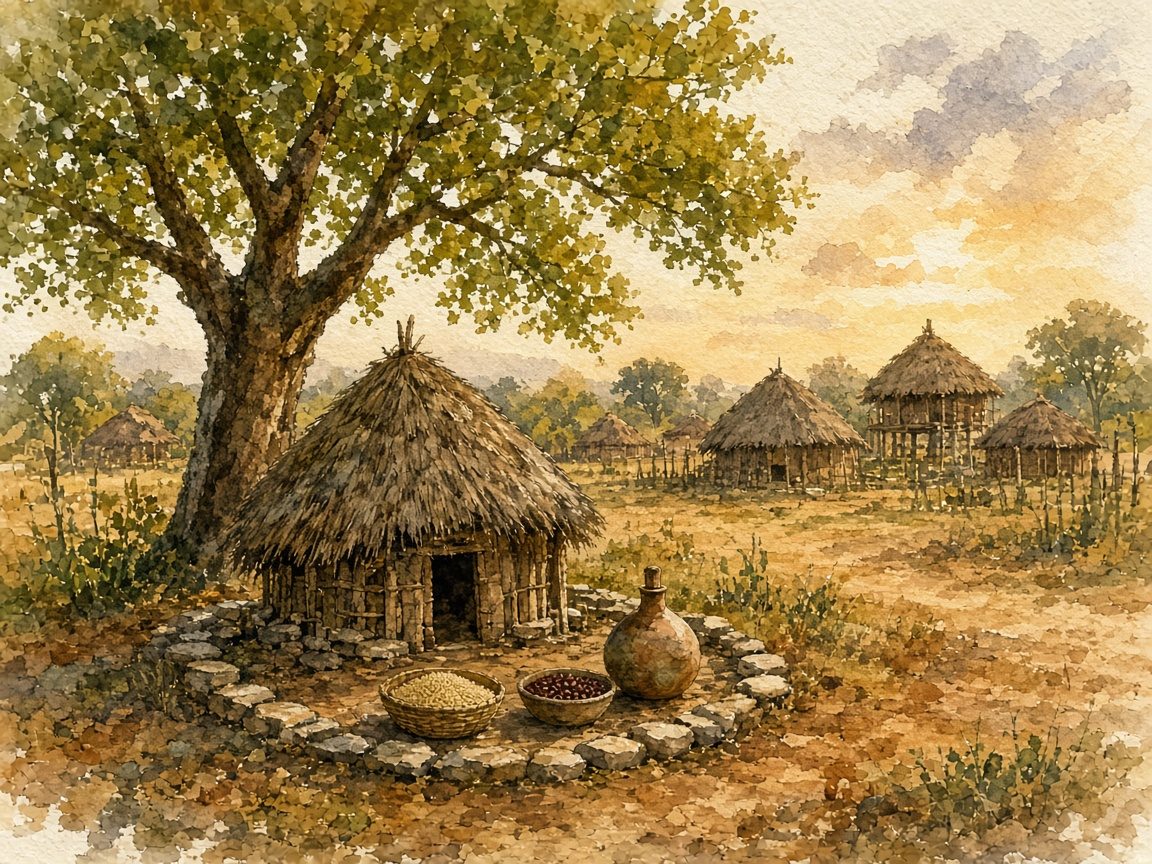
Before Christianity and Islam, Ma'di religion centred on the ancestors, who live on as spirits called ori and can step into the lives of the living. Some families still keep small altars called kidori, where offerings are made in good and bad times, and the first harvest is given to the spirits to thank them for speaking to God on behalf of the living.
Source: Wikipedia: Madi people
Jomboloko, the tortoise of Moli

Besides the ancestors, the Ma'di know deities of their own: sacred trees, hills, rivers and snakes. Among the Moli clan the best known is Jomboloko, a tortoise believed to live in a hill near Moli Tokuru, and many stories are told about it.
Source: Wikipedia: Madi people
The rain stones
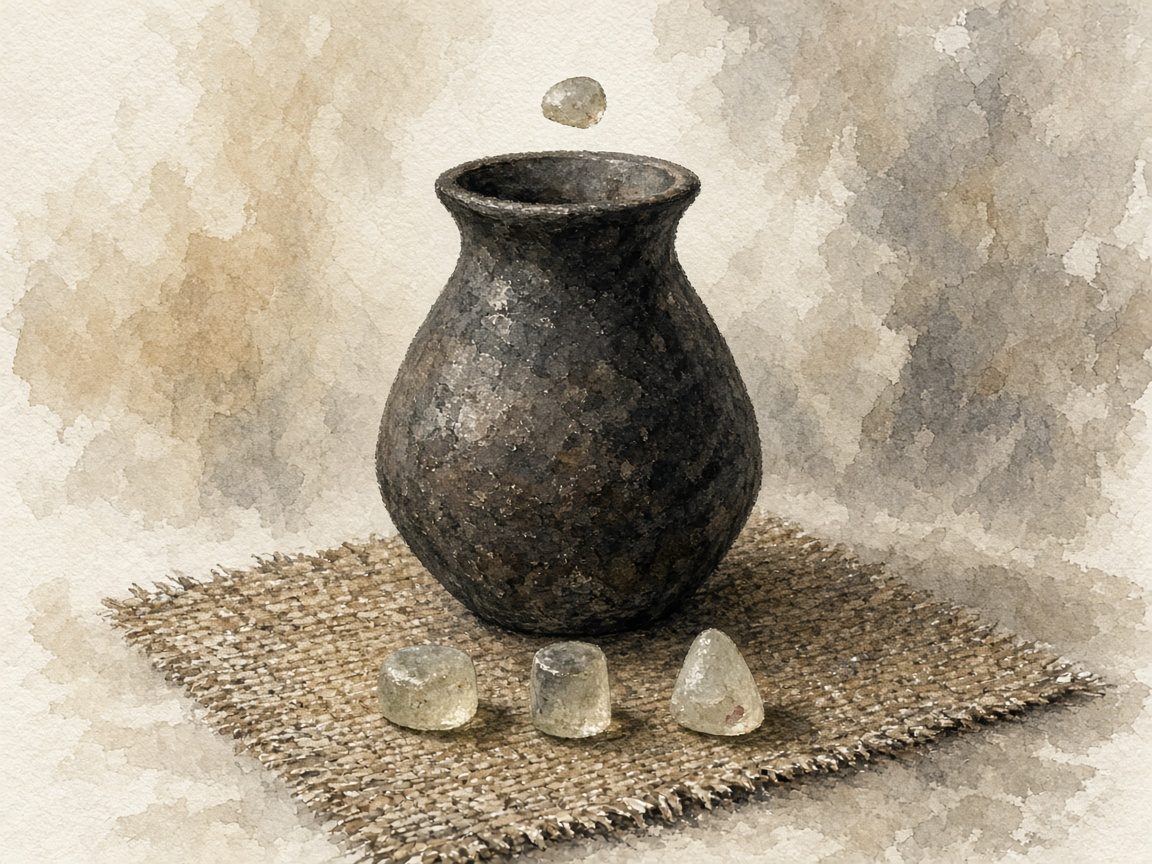
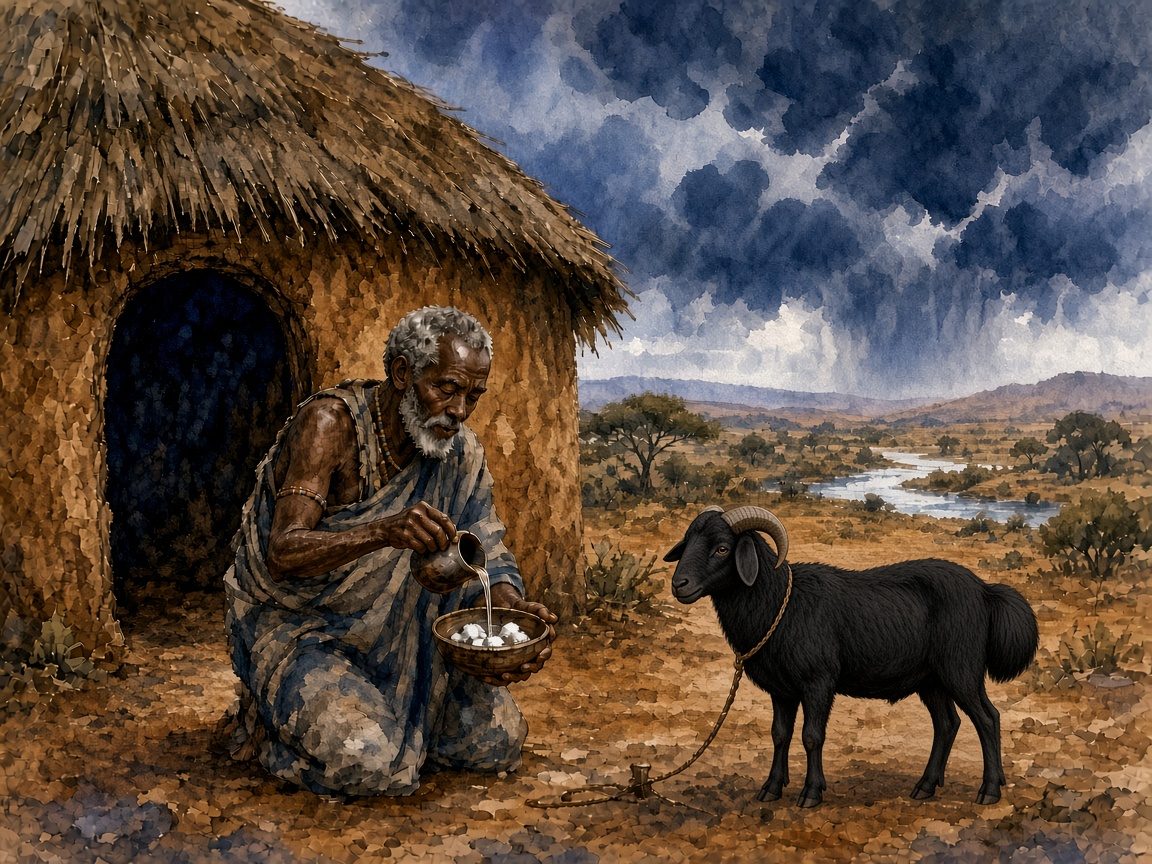

Rainmakers, one of the three kinds of chiefs called Opi, use white stones called eyi kwe, believed to fall from the sky with the rain. Some say they came from Bari in South Sudan. The stones are male or female, kept in pots at the chief's home so they do not jump about in thunderstorms, and anyone who finds one must hand it to the chief.
In a drought the stones were smeared with herbs and python oil and a black sheep was offered. If no rain came, the people could punish the rainmaker, for example by making him sit on an anthill until he begged for mercy.
Sources: Cross-Cultural Foundation of Uganda, The East African
Twins and the Rubanga sheep
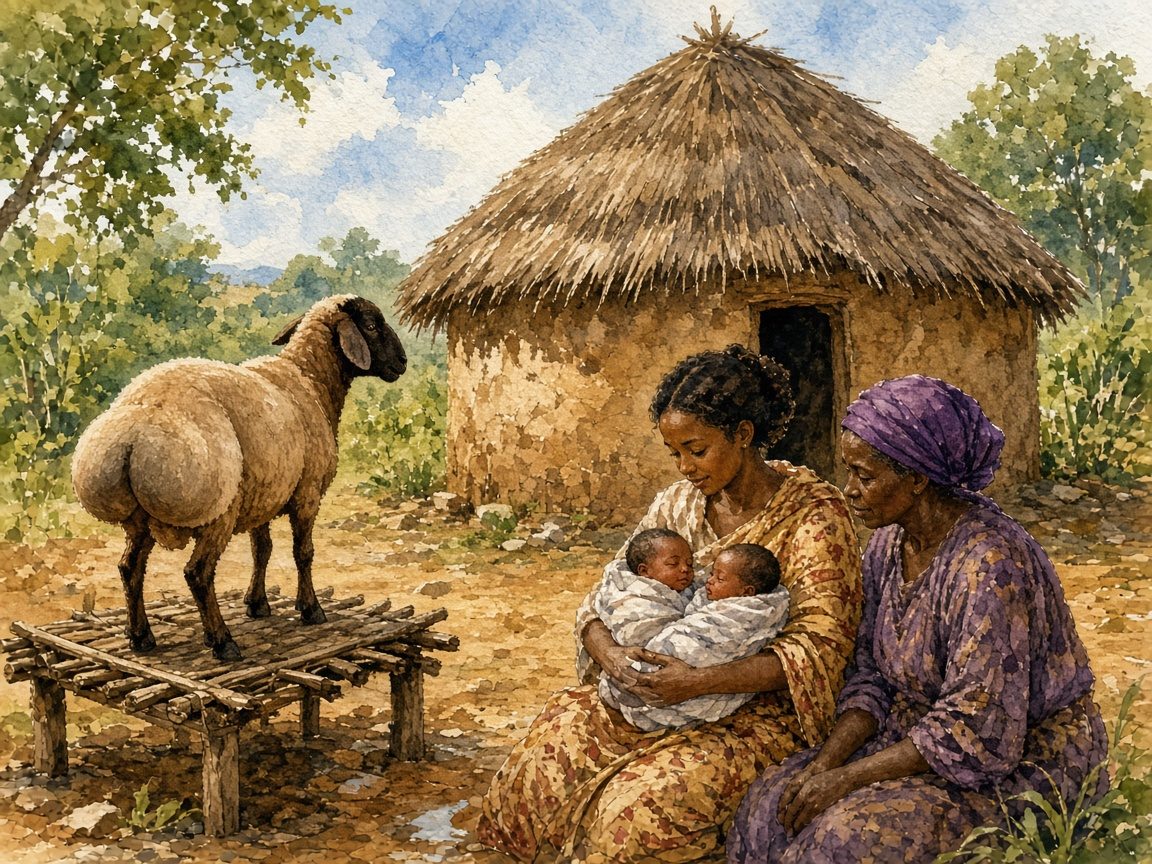
Twins were seen as a sign from Rubanga. The elder was named Ijiayia, "take him to the bush", and the younger Rubanga. The maternal uncles brought a sheep that was kept by the mother's hut, and when it gave birth it was called Rubanga-Bilo, the twin sheep.